The Guest Who Can't Have That: Allergy-Smart Bar Planning in Glasgow

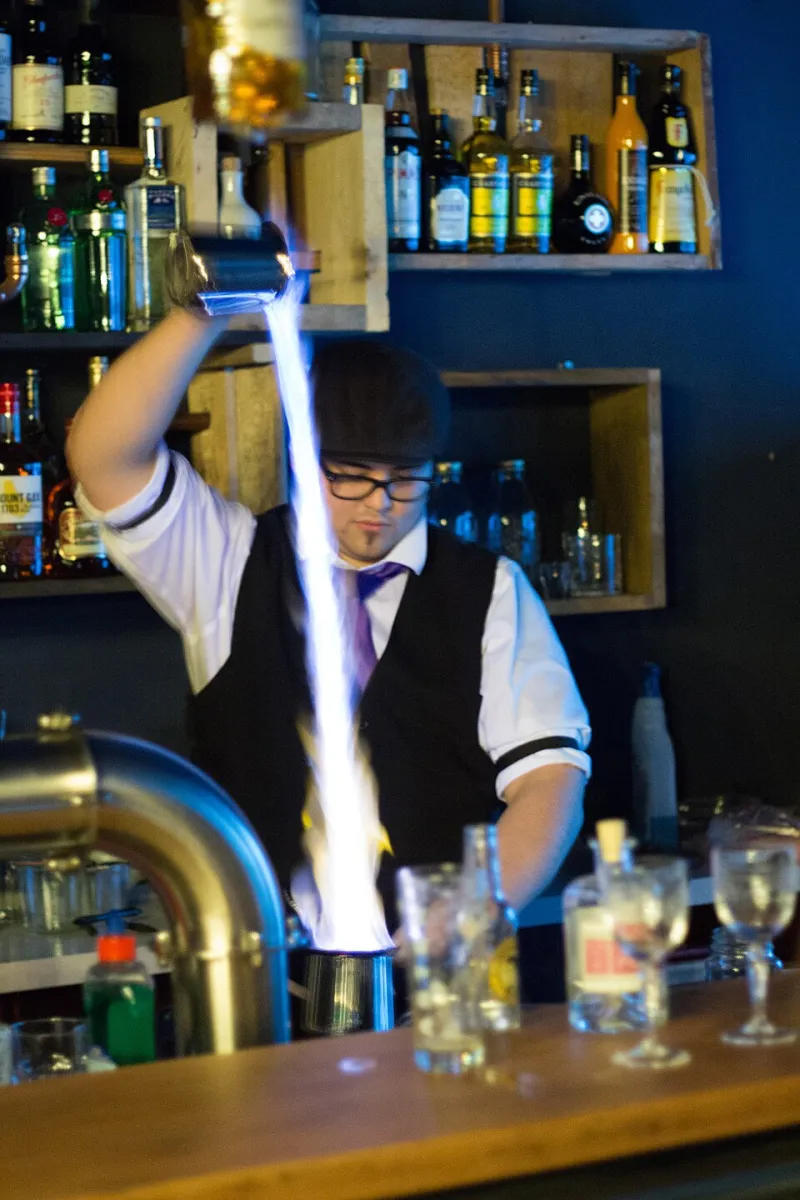
Photo by Photo by Barney Goodman on Unsplash on Unsplash
Allergies and intolerances have a habit of appearing late in the party planning process. You've picked the venue, argued about playlists and chosen a cocktail list that looks good on paper. Then a guest mentions they can't have dairy, or a plus-one is coeliac, and suddenly the bar plan feels less settled. The good news is that a Glasgow mobile bar can handle this without turning into a hospital ward. It just needs a bit of thought before the first bottle is opened.
Ask early, ask plainly, and ask twice
The booking stage is where allergy planning earns its keep. Whether you're hiring a bar for a birthday in Finnieston, a wedding in the West End or a work do in the Merchant City, put a simple question in the invitation or RSVP form: does anyone in your party have a food allergy, intolerance or dietary requirement that affects drinks? Keep the wording broad. Some guests will mention nuts or gluten; others will flag sulphites, dairy, egg or specific spirits. You are not collecting a medical history. You are gathering enough detail to build a sensible bar brief.
Make it clear that guests should tell you before a cut-off date, and give them one named contact rather than a group chat. A week before the event, send a short reminder. People forget, especially when they are replying on a phone between meetings. If someone flags a requirement after the deadline, do what you can. Just don't promise a fully allergen-free bar at ten minutes' notice.
Design a menu with fewer hiding places
A short drinks list is easier to manage at the best of times. It is even more useful when allergies are in play. Fewer ingredients mean fewer surprises, and a tight menu gives your bar team a clearer picture of what is in every pour. That doesn't mean every drink has to be plain. It means knowing where the risks sit.
Egg white appears in sours and some foam-topped cocktails. Dairy turns up in cream liqueurs, coladas and dessert-style drinks. Nuts hide in orgeat, some syrups and certain garnishes. Sulphites are common in wine, dried fruit and some mixers. Gluten can be a concern in beer and some spirits, although distillation matters and guests with coeliac disease should be guided by their own clinician rather than a bar menu. The point is not to diagnose anyone. It is to know what you are serving and to be honest when you are unsure.
Build in at least one or two drinks that are naturally free from the most common triggers. A simple highball, a spirit and mixer with a known brand, or a no-alcohol option with a clear ingredient list can take the pressure off. Avoid slapping 'allergy-friendly' on the whole menu. That phrase promises more than any mobile bar can deliver.
Brief the team like adults, not lawyers
Your bar staff need a briefing that is short enough to read and specific enough to use. A one-page sheet works well: guest name, requirement, which drinks are suitable, which are not, and what to say if the guest asks. Keep it factual. 'This guest is coeliac and should avoid the beer and the whisky highball unless they confirm otherwise' is more useful than a paragraph of caveats.
Staff should know not to improvise. If a guest asks whether a drink contains a particular ingredient and the answer is not on the sheet, the safe response is to check the bottle or say no. That is not poor service. It is good service. A bartender who guesses is a liability. A bartender who says 'let me check' is doing their job.
Cross-contact without the clinical theatre
Cross-contact matters, especially for guests with serious allergies. On a busy mobile bar, shakers, jiggers, tongs and cloths get shared. You don't need a sterile laboratory. You do need a routine. Keep a small allergy kit behind the bar: a clean shaker, a fresh tin, separate tongs and a couple of clean cloths. If a guest has a severe nut or dairy allergy, make their drink first or use a dedicated set of tools. Wash hands. Avoid using the same garnish tongs for a nut garnish and a citrus twist.
Ice is another one people miss. Shared ice buckets and scoops can pick up traces from bottles or garnishes. If the risk is high, use a separate bucket or fresh ice for that guest. It sounds fussy until you realise how quickly a busy bar can cross a line without meaning to.
Signpost clearly, but don't make a scene
Guests should not have to interrogate the bar team to find out what is in a drink. Put allergen information on the menu, whether that is a printed list, a chalkboard or a QR code. Use plain symbols and a short key. If a drink contains egg white, dairy, nuts or sulphites, say so. If it doesn't, don't imply it is guaranteed safe for every allergy under the sun.
A small sign saying 'ask us about allergens' is better than nothing, but it puts the work on the guest. A clear menu is better. A named person on the bar team who knows the answer is better still. In a Glasgow venue with music bouncing off the walls, clarity matters more than clever wording.
Close the loop before doors open
The final check is simple. Confirm the allergy brief with the venue and the bar team, and make sure the right person has the sheet on the night. If a guest has a severe allergy, ask them to speak to the bar manager when they arrive. That is not making them responsible for their own safety. It is making sure the person behind the bar knows who they are serving.
Allergy planning should feel proportionate. It is not about turning your party into a risk assessment with canapés. It is about asking early, keeping the menu honest and giving your bar team the information they need. Do that, and the only thing guests should be talking about is whether the espresso martini was worth the queue.