A Wee Bit Local: Sourcing Scottish Spirits and Mixers for a Glasgow Mobile Bar
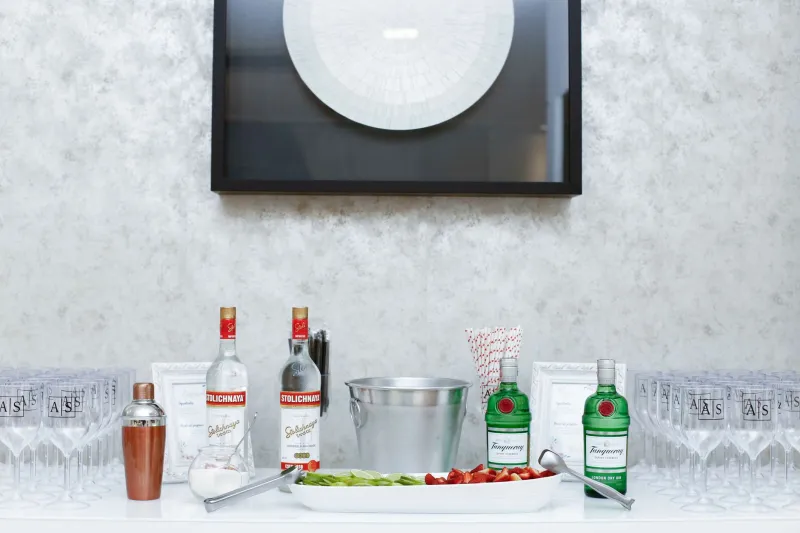
A mobile bar can do more than pour drinks. It can quietly set the tone for a whole event, and in Glasgow that often means giving guests a taste of somewhere nearby without making the night feel like a distillery tour. The trick is sourcing with a light touch: enough Scottish gin, whisky, mixers and soft drinks to add a sense of place, but not so much local detail that someone who just wants a familiar vodka tonic feels like they have wandered into an exam.
This is a planning guide, not a shopping list. Whether you are hiring a bar for a wedding in the West End, a birthday in the Southside or a corporate do in the city centre, the aim is a menu that feels rooted in Glasgow and still works for a mixed crowd.
Start with the guest, not the postcode
A local sourcing story lands better when the drinks underneath it are easy to enjoy. Before you fall for a beautiful small-batch bottle, sketch out the actual crowd. How many guests? What do they usually drink? Will there be a sit-down meal or a loose, standing-around party? Are there guests who do not drink alcohol, or who prefer a simple lager to a botanical spirit?
A useful rule for a Glasgow mobile bar is to build around three familiar anchors and then add local character at the edges. Vodka, rum, a basic whisky and a couple of crowd-pleasing mixers keep the bar moving. Scottish gins, a standout single malt and a few local soft drinks give it personality. That way, the local angle is an invitation rather than a hurdle.
The Scottish gin shelf: choose a few, not a forest
Scotland's gin range is enormous, and Glasgow bars can source from producers across the country as well as closer to home. For a mobile bar, resist the urge to line up ten different gins. Three or four is usually plenty: one crisp and citrus-led, one softer and more floral, one navy-strength option if you know your crowd, and perhaps a limited-edition bottle for the story.
Think about what the bar team can actually serve well. A gin that needs three unusual garnishes is less useful at a busy event than one that shines with a simple slice of grapefruit or a sprig of rosemary. If you are working with a Glasgow mobile bar company, ask which local gins they already stock and which ones they can order in. Existing supplier relationships often mean better pricing and fewer last-minute substitutions.
Whisky without the lecture
Whisky can be the most Glasgow-adjacent thing on the menu, but it can also be the most intimidating. The answer is not to hide it; it is to give guests an easy way in. A decent blended whisky for highballs, plus one or two single malts for sipping or a short cocktail, covers most bases without turning the bar into a tasting masterclass.
If you want to add a local story, a Glasgow or west-coast bottling can be a nice touch, but keep the serve simple. A whisky highball with a good ginger ale or soda is far more event-friendly than a complicated old-fashioned for 120 people. Put the detail on a small menu card, not in a speech.
Mixers and soft drinks: where local gets practical
Local sourcing is not only about alcohol. Mixers and soft drinks can carry a lot of the sense of place, often at a lower cost. Look for Scottish soft drinks producers making ginger beer, elderflower pressé, cloudy lemonade or cola alternatives. A local tonic alongside a Scottish gin is an easy win, and a good alcohol-free serve made with a local cordial gives non-drinkers something better than a lukewarm orange juice.
That said, do not overcomplicate the fridge. Guests still want tonic, soda, cola, lemonade and plenty of water. Treat local soft drinks as a bonus rather than a replacement for the basics. If you are offering a signature serve, use one local mixer and keep the rest of the bar straightforward.
Building supplier relationships in Glasgow
Good sourcing is often about conversations rather than catalogues. Independent drinks shops, wholesalers and distillery teams in and around Glasgow can be genuinely helpful if you tell them what you need: quantities, delivery dates, whether you can collect, and how much flexibility you have on brands. Small-batch producers may not be able to supply 100 bottles at short notice, but they can often recommend a sensible alternative.
Ask about sale-or-return terms, delivery windows and whether bottles can be swapped if a product runs out. For mobile bar hire, storage and transport matter as much as the label. A heavy case of glass bottles is fine in a venue with a service lift and a nightmare in a third-floor flat. Confirm who is handling delivery, empty bottle removal and any breakage risk.
Cost balancing: local does not always mean luxury
There is a temptation to assume local equals expensive. Sometimes it does, especially with limited releases. But a well-chosen local mixer or a mid-priced Scottish gin can do more for the menu than a rare bottle that only three guests recognise. Set a clear budget per head for the drinks list and protect it.
One practical approach is to spend a little more on the welcome drink and the alcohol-free option, where a local story is easy to explain, and keep the main back-bar brands familiar. If you are comparing quotes from Glasgow mobile bar suppliers, ask them to break out the cost of local products separately. That makes it easier to see whether you are paying for quality, scarcity or simply a nice label.
Seasonal availability and small-batch ordering
Small-batch drinks do not always follow event planning timetables. Seasonal gins, limited soft drinks and special releases can sell out, and some producers pause orders over busy periods. If a particular bottle is central to your plan, order early and have a named back-up.
For 2026 events, start the drinks conversation earlier than you think you need to, especially for Christmas parties and big weekends. Confirm stock closer to the date, but do not leave a small-batch order until the week before. If you are buying direct, check minimum order quantities and whether delivery is to the venue or to a nominated address.
Storytelling that does not feel like a tour guide
Guests rarely want a full provenance lecture, but they do enjoy a short, well-placed detail. A menu card that says 'made in Glasgow, served with local tonic' is usually enough. A bartender who can answer a question without launching into a history lesson is even better. Keep the language warm and plain: where it is from, why you chose it, and what it tastes like.
The best local sourcing does not announce itself too loudly. It sits alongside familiar drinks, makes the bar feel considered, and gives the people who are curious something to ask about. For a Glasgow event, that is a genuinely good result: a mobile bar that feels like it belongs here, without making anyone feel like they need a glossary to order a drink.