Flexible by Design: Keeping Your Glasgow Bar Booking Honest When RSVPs Drift
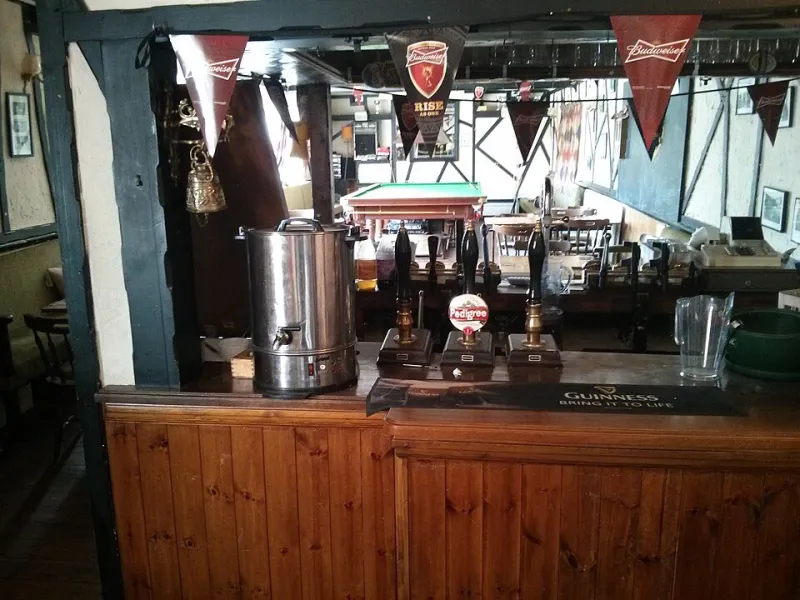
Photo: Victuallers, CC BY-SA 3.0, via Wikimedia Commons
Every Glasgow party starts with a confident number. You tell the bar provider forty guests, maybe fifty if your cousin brings the kids. Then the RSVPs trickle in, the group chat goes quiet, and by the week of the event you are looking at a very different room. During the 2026 festive season, with diaries tighter than ever and half the city seemingly juggling three invitations a night, that wobble is normal. The good news is that it does not need to become a crisis.
The trick is to treat your original headcount as a working estimate rather than a fixed contract. Most mobile bar providers build in some flexibility, but the hosts who adjust smoothly are the ones who communicate early, bring useful numbers rather than vague panic, and know which levers actually change the cost and which just change the feel of the night.
Start with the tolerance band, not the exact number
When you booked, you probably agreed a figure for drinks, staff and glassware. Ask your provider what tolerance sits around that figure. Many will absorb a small rise or fall without changing the quote, because the difference between forty-five and fifty guests is often a few bottles and one more pair of hands. The trouble starts when the count moves by twenty or more, or when it shifts in the final seventy-two hours.
So before you ring anyone, write down three numbers: the original booking figure, the current confirmed count, and the realistic upper limit if the maybes all show. That last number matters in Glasgow, where a polite maybe can turn into four people and a bottle of prosecco at short notice. Give your provider the range rather than a single false certainty.
The scale-down protocol
A smaller party is not automatically cheaper, but it is easier to make feel intentional. If your numbers drop, work through these in order.
Drinks quantities. Ask whether the bar is working to a consumption estimate or a guaranteed minimum. If you have paid for a package based on headcount, a lower final count may reduce the order, but only if you flag it before the buying deadline. For a festive party, the usual rule of thumb is two to three drinks per guest in the first two hours, then one per hour after that. A smaller room often drinks slightly more per head, not less, because there is less distraction and more conversation.
Staffing. One bartender can comfortably look after thirty to forty guests if the menu is short and the drinks are batched. Below twenty-five, you may be able to drop to one server and a runner, or keep two staff but shorten the service window. Do not cut so far that a queue forms at 8pm; the queue is the first thing guests remember.
Glassware. Fewer guests means fewer glasses, but do not reduce to the exact count. Breakages, abandoned glasses and the guest who takes theirs outside all add up. Keep a buffer of around fifteen per cent.
Ice. Ice is the quiet cost. A smaller party needs less, but it still needs enough for chilling, shaking and keeping white wine cold. Ask whether your provider can adjust the delivery rather than charging for a full load.
Service flow. With fewer people, you can move from a fixed bar queue to table service for the first round, or set up a small self-serve prosecco station. That keeps the bar from feeling overstaffed and underused.
The scale-up protocol
A surge is more common than a slump. If the count climbs, prioritise the things that protect the guest experience.
Drinks. Add volume in the categories you know your crowd actually drinks. For a Glasgow festive crowd, that often means more mixer, more ice and more of the sessionable cocktail rather than another obscure spirit. A short menu scaled up beats a long menu stretched thin.
Staffing. One extra bartender is usually the single best upgrade. It shortens queues, reduces glass breakage and keeps the bar looking calm. If you cannot add staff, consider moving to a batched-only menu for the peak hour.
Glassware and ice. These are the two things that run out first and cause the most visible scramble. Ask for an extra glass rack and an extra ice delivery rather than hoping the original order stretches.
Service flow. Add a second service point if the room allows it. A small satellite bar with beer, wine and one pre-batched cocktail can take pressure off the main bar without doubling the staffing cost.
Give the provider a usable update, not a feeling
When you call or email, lead with the numbers. Something like: confirmed count is now fifty-two, original booking was forty, upper limit is sixty, and we expect six maybes. Ask which of those figures they need for ordering and which can wait until the seventy-two-hour checkpoint. A provider who hires for Glasgow events will have a standard adjustment process; your job is to feed it clean information.
The seventy-two-hour and twenty-four-hour checkpoints
The seventy-two-hour mark is usually the last sensible point to change drinks orders and staffing. The twenty-four-hour mark is for final glassware, ice and service-flow tweaks. After that, you are in contingency territory, which is a separate conversation about running to the nearest shop and borrowing a cooler from a neighbour.
One final thought: tell your guests what to expect if the numbers move. A smaller party can be a better party, and a larger one can still feel smooth if the bar is set up for it. The count will wobble. The plan does not have to.